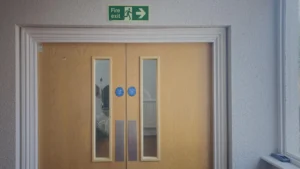
Fire safety in buildings is not just a matter of compliance—it’s about protecting lives, property, and communities.
At the heart of England’s approach to building fire safety lies Approved Document B, a comprehensive guidance document that shapes how we design, construct, and modify buildings to prevent fires and ensure safe evacuation when they occur.
“Fire safety is fundamental to the protection of life and property in buildings,” as stated in the government’s official guidance, emphasizing the critical importance of these regulations.
What is Approved Document B?
Approved Document B covers building regulation in England on fire safety matters within and around buildings.
Part of the Building Regulations 2010, this document provides practical guidance on meeting the legal requirements for fire safety in construction projects.
As the official guidance states, “Approved Document B gives guidance on ways of meeting the fire safety requirements of the Building Regulations.”
It’s important to understand that Approved Document B (ADB) is only a guidance document; it is not something that can be “complied with”—rather, it shows how to comply with the actual Building Regulations requirements.
The document is divided into two comprehensive volumes:
- Volume 1: Fire safety in dwellings (houses, flats, and residential buildings)
- Volume 2: Fire safety in buildings other than dwellings (offices, schools, shops, and commercial buildings)
Recent Updates and Changes
Fire safety regulations are constantly evolving, particularly following lessons learned from tragic incidents like the Grenfell Tower fire.
Updates to Approved Document B make provision for sprinklers in all new care homes and withdraw national classes (BS 476 fire tests).
The most significant recent changes include:
March 2024 Amendments
According to recent government updates, “These March 2024 changes make clear that a second staircase is required in all new tall residential buildings over 18 metres.” This represents a significant shift in fire safety requirements for high-rise residential buildings, directly responding to lessons learned from recent fire safety incidents.
Upcoming Changes (2025-2029)
Circular 03/2024 will take effect on 2 March 2025, Circular 04/2024 will take effect on 30 September 2026 and Circular 05/2024 will take effect on 2 September 2029. These amendments continue to strengthen fire safety requirements across different building types.
Core Fire Safety Requirements
Part B contains guidance on fire safety, including means of escape, fire spread, structural fire protection and fire service access. The document addresses five fundamental areas:
1. Means of Escape
Every building must provide safe and accessible escape routes that allow occupants to reach safety quickly in the event of a fire. This includes considerations for staircase width, travel distances, emergency lighting, and provisions for people with mobility impairments.
2. Internal Fire Spread
The document sets standards for preventing fire from spreading within a building through proper compartmentation, fire-resistant walls and floors, and careful selection of internal materials and finishes.
3. External Fire Spread
Guidelines cover how to prevent fire from spreading to neighbouring buildings through roof coverings, external wall construction, and maintaining appropriate distances between structures.
4. Fire Service Access
Buildings must be designed to allow fire service vehicles to approach safely and firefighters to access all parts of the building effectively, including provisions for fire service lifts in tall buildings.
5. Fire Service Facilities
This includes requirements for fire mains, hydrants, and other equipment that fire services need to fight fires effectively.
Impact on Construction and Building Works
For construction professionals, Approved Document B is fundamental to project planning and execution. The guidance affects:
Design Phase: Architects and engineers must incorporate fire safety measures from the earliest design stages, considering escape routes, compartmentation, and structural fire resistance.
Material Selection: The document specifies performance standards for building materials, from fire-resistant doors and glazing to exterior cladding systems.
Construction Methods: Building techniques must comply with fire safety standards, including proper installation of fire barriers and protection of structural elements.
Building Services: Electrical, heating, and ventilation systems must be designed and installed to minimise fire risk and maintain safety systems during emergencies.
What This Means for Homeowners
Whether you’re building a new home, extending an existing property, or converting a building, Approved Document B affects your project in several ways:
New Construction
All new homes must meet current fire safety standards, including requirements for smoke detection, escape window sizes, and fire-resistant construction between attached properties.
Extensions and Alterations
Home extensions often require Building Regulations approval, particularly if they affect escape routes or create new habitable rooms. Converting a garage to living space, adding a loft conversion, or building a significant extension will likely need to demonstrate compliance with fire safety requirements.
Loft Conversions
These are particularly affected by fire safety regulations, requiring protected escape routes, appropriate fire resistance between floors, and sometimes additional fire detection systems.
Basement Conversions
Converting basements to habitable rooms involves complex fire safety considerations, including escape routes, fire resistance, and ventilation requirements.
Multi-Occupancy Conversions
Converting a single dwelling into flats or houses of multiple occupation (HMOs) triggers stringent fire safety requirements, including compartmentation, fire detection systems, and emergency lighting.
Practical Compliance Steps
For homeowners undertaking building work:
Early Planning: Discuss fire safety requirements with your architect or designer before finalising plans. Fire safety considerations can significantly affect layout and cost.
Building Control Approval: Most work requiring Building Regulations approval will need to demonstrate compliance with fire safety standards. Submit detailed plans showing fire safety measures.
Professional Advice: Consider consulting a fire safety engineer for complex projects, particularly conversions or extensions to older properties.
Quality Installation: Ensure contractors understand and properly install fire safety measures, including fire doors, detection systems, and fire-resistant construction details.
The Bigger Picture
Approved Document B represents more than just regulatory compliance—it embodies a comprehensive approach to building safety that has evolved through decades of experience and, unfortunately, lessons learned from fire tragedies. The ongoing updates reflect the government’s commitment to improving building safety standards and protecting occupants.
For anyone involved in construction or property modification, understanding and implementing these fire safety requirements is not just a legal obligation but a moral responsibility to protect current and future building occupants.
The complexity of modern fire safety requirements underscores the importance of professional guidance throughout the building process. While Approved Document B provides comprehensive guidance, the specific application to individual projects often requires expert interpretation and careful planning to ensure both compliance and optimal safety outcomes.
As fire safety regulations continue to evolve, staying informed about updates to Approved Document B is essential for anyone involved in the construction industry or planning building work. The investment in proper fire safety measures during construction is minimal compared to the potential cost—both financial and human—of inadequate fire protection.
Looking Forward
The ongoing evolution of Approved Document B reflects the construction industry’s growing understanding of fire behaviour, building performance, and occupant safety. Future updates will likely continue strengthening requirements, particularly for high-risk buildings and situations where vulnerable people may be present.
For homeowners and construction professionals alike, treating fire safety as an integral part of good building design—rather than just a regulatory hurdle—creates safer, more valuable, and more sustainable buildings for the future.
Sources and Further Reading
- HM Government: Approved Document B (fire safety) guidance – Official government guidance on fire safety requirements
- Planning Portal: Building Regulations guidance on fire safety – Comprehensive overview for homeowners and professionals
- LABC: Fire Safety in Buildings – Local Authority Building Control guidance and updates
- GOV.UK: Building safety updates and amendments – Latest regulatory changes and consultations
For specific projects, always consult with Building Control or a qualified fire safety professional to ensure compliance with current requirements.